Life is full of moments that stay with us. Some are filled with happiness and excitement, others bring sadness and reflection, and many are a mixture of emotions that are difficult to put into words.
The arrival of a child into a family is one of those moments. So too is the death of someone we love.
Although these occasions are very different, they share something important. They mark a significant point in our lives, bringing people together to acknowledge what has happened, what it means to us, and what comes next.
It's in these moments that ceremonies can have a real place.
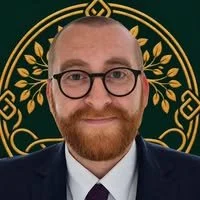
I'm Lewis Docherty, an independent funeral and family celebrant based in Angus, Scotland, and the person behind Celtic Tree Ceremonies. I work with families to create personal ceremonies that reflect the people at their heart, whether that's remembering a life or welcoming a new one.
I wanted to use this first blog post to introduce Celtic Tree, share a little about my approach to celebrancy, and explain what matters to me in the work I do.
Every life has a story…
I've spent much of my working life in roles where listening matters. I've worked with people through some incredibly difficult moments, as well as some much more ordinary ones, and I've learned that everyone has a story worth hearing.
People have different experiences, different beliefs and different ways of looking at the world. Our relationships, our experiences and the people around us all shape who we become. No two lives are quite the same, and I think it's important that we recognise that.
That's a big part of what drew me to celebrancy.
For me, it's not simply about standing at the front of a room and delivering a ceremony. It's about taking the time to understand the people involved, listening to what's important to them, and helping them create something that feels right for their circumstances.
That might sound straightforward, but these occasions can carry a lot of meaning. Families often come to me at a time when there's plenty to think about, emotions are running high, and they might not be entirely sure where to begin.
I think having someone who will take the time to listen, offer some guidance and help bring everything together can make a real difference.
My approach is calm, considered and personal. I want people to feel comfortable talking openly, asking questions and sharing their thoughts, without feeling that they need to have everything figured out before we begin.
After all, that's part of what I'm there for.
Honouring a life…
When someone dies, there's often a great deal to navigate. Alongside the practical arrangements, families are coming to terms with a loss, each in their own way. There can be difficult decisions to make, memories to share and a lot of emotion sitting just beneath the surface.
In the middle of all that, it's important not to lose sight of the person whose life we're gathering to remember.
I believe a funeral should reflect the individual who has died, rather than simply follow a set pattern. Traditions and familiar customs can be incredibly important, and for many families they provide comfort at a difficult time. But there's also room to make a ceremony personal, to tell someone's story in a way that feels true to who they were.
Sometimes it's the big things that matter. Sometimes it's the little details that bring someone back to life in our memories: a familiar saying, a particular sense of humour, a favourite song or a story that never fails to make the family smile.
And sometimes, it's about acknowledging the parts of someone's life that weren't straightforward. Real lives are rarely as simple as a list of achievements or a collection of happy memories, and I don't think we need to pretend otherwise.
My role is to work with families to find the right words, the right music and the right way to bring those memories together. Every family is different, and every farewell deserves the time and attention needed to make it meaningful.
There isn't a formula for saying goodbye. What matters is creating a ceremony that gives people the opportunity to remember, reflect and honour the life of someone who mattered to them.
Welcoming a new life…
Of course, not every significant moment in life is about loss.
Naming ceremonies offer families an opportunity to come together for a very different reason: to welcome a child, celebrate their arrival and recognise the people who will be part of their life as they grow.
It's a chance to pause and mark the beginning of something new.
For some families, a naming ceremony is an opportunity to make a promise to a child and acknowledge the role that parents, grandparents, godparents or other important people will play in their life. For others, it's simply about bringing loved ones together to celebrate a new addition to the family.
There are many ways to approach it, and that's part of what makes these ceremonies so personal.
A naming ceremony doesn't need to follow a particular religious tradition or fit into a prescribed format. It can reflect the family's values, beliefs and hopes for the future, bringing together the people who matter most to them.
Just as with a funeral, my role is to listen, understand what's important to the family and help create a ceremony that feels like theirs.
Whether we're welcoming a new child or remembering someone who has died, I want the people involved to feel that the occasion reflects their lives, their relationships and what matters to them.
The circumstances may be very different, but the importance of getting it right remains the same.
Finding the right way to mark the occasion…
One thing I've come to appreciate about celebrancy is that there's no single right way to approach these moments.
Families have different expectations, different traditions and different ideas about what makes a ceremony meaningful. Some people know exactly what they want. Others need a bit of time and conversation to work it out.
Both are perfectly fine.
I don't believe in taking a one-size-fits-all approach to something as personal as a funeral or a naming ceremony. My job isn't to tell people what their ceremony should look like. It's to help them explore the possibilities, offer guidance where it's needed, and bring their ideas together into something that works for them.
That involves listening carefully, paying attention to the details and treating every family with care and respect. It also means recognising that these occasions can be emotional. Sometimes people know what they want to say but struggle to find the words. Sometimes a conversation brings up memories or feelings they weren't expecting. There's no need to rush those moments or pretend they aren't there.
I want families to feel that they have someone alongside them who understands the importance of the occasion and will approach it with the care it deserves.
Ultimately, a ceremony doesn't need to be elaborate to be meaningful. It needs to feel genuine, and it needs to reflect the people and relationships at its heart. Celtic Tree Ceremonies is built around that belief.
A little more about Celtic Tree…
Based in Angus, I work with families across Scotland to create funeral and naming ceremonies that are personal, thoughtful and meaningful. I bring a professional approach to the practicalities of planning a ceremony, but I also recognise that this work is about people, their relationships and the moments that matter to them. I know that inviting someone into these parts of your life requires trust. Whether we're talking about a loved one who has died or planning a ceremony to welcome a new child, I don't take that responsibility lightly.
I want the families I work with to feel listened to, supported and confident that their ceremony is being prepared with care and attention. You don't need to arrive with all the answers. You don't need to know exactly what you want to say or how you want the day to unfold. We can work through those things together, one conversation at a time.
What matters to me is that the finished ceremony feels right for you and the people you're gathering to mark that moment with.
Continuing the conversation…
This blog will be a place for me to share thoughts on celebrancy, funerals, naming ceremonies, remembrance and the many ways we mark the important moments in our lives.
I'll be exploring some of the practical questions that families face when planning a ceremony, alongside some of the wider ideas around life, loss, family and the importance of taking time to recognise the people who matter to us. Some articles will offer straightforward guidance. Others will be a chance to reflect on a particular subject or look at things from a different perspective.
I don't pretend to have all the answers, and I don't think every question needs a straightforward one. But I do believe there's value in having these conversations, sharing experiences and making space for different ways of thinking.
If you've found your way here because you're planning a funeral or considering a naming ceremony, I hope you'll find something useful. If you're simply interested in what I do and the thinking behind it, you're just as welcome.
Celtic Tree Ceremonies is about recognising the significance of these moments and giving them the care and attention they deserve. Whether we're welcoming a new life or remembering a life lived, it's an opportunity to bring people together, acknowledge what matters and create something personal. That's what I hope to help families do.